Blogs
Keyword Search
Posts by Tag

When it comes to filling manufacturing positions, companies are feeling the pinch of vacant positions. Data shows unfilled manufacturing roles could cost the U.S. economy $1 trillion by 2030. For an individual plant, the hidden costs of a vacancy often outweigh the salary of the person who should be there. What Vacancies are Really Costing Companies Vacancies are costing companies more than you would think when you break down the dollars and cents of it all. Experienced Workers With 26% of the manufacturing workforce aged 55 or older, every unfilled role next to a veteran worker is a missed opportunity for mentorship. When those veterans retire without a successor who has shadowed them and learned the ropes, decades of expertise are lost. Overtime Costs To meet production quotas, existing staffers must pick up the slack. This can lead to massive overtime costs and employee burnout. This can be extremely dangerous. Fatigued workers are statistically more likely to make errors or suffer injuries, driving up insurance and rework costs. Operational Costs If a maintenance job goes unfilled and machines stop working, it can lead to longer downtime, costing the company money. If a line is down for four hours instead of one because you’re short a technician, the loss can exceed thousands of dollars. Competitive Disadvantage Production delays can give competitors an advantage. While you’re taking longer to complete tasks, they’re surging ahead and taking your customers. How to Close the Gap Reducing the cost of unfilled positions requires moving from reactive hiring to proactive employee retention. 1. Data-Driven Training Instead of searching for the perfect candidate, start building them in-house. Many high-performing plants are using skill matrices to identify their gaps. By training current employees to do other tasks, you can create a more resilient, cross-trained floor. 2. Invest in Labor-Augmenting Technology In 2026, automation isn't about replacing people; it's about making the people you do have more effective. AI Resources: New AI systems can now help less experienced operators by providing real-time, natural-language troubleshooting guides based on the plant’s own historical data. This can help employees get the information they need when they need it. Collaborative Robots: These handle the more mundane tasks, allowing your human talent to focus on quality control and complex assembly. 3. Structured Onboarding Program Data shows that 30% of manufacturing departures happen within the first 90 days. To reduce this at your company, implement a structured onboarding process: Day 1: Safety-first orientation. Day 30: A "stay review" to identify friction points before the worker looks elsewhere if they are unhappy. Day 90: A clear path to the next skill level or pay grade. By showing you are taking time and effort to retain employees, they will feel valuable and will not look for a quick out. Let Summit Careers Fill Your Manufacturing Roles If you’re feeling the cost of unfilled manufacturing positions, let Summit Careers help. We work with qualified individuals seeking their next career move. Reach out to us today so we can help!

Universities are facing a troubling trend as they work to find and retain administrative talent. Many schools looking to fill IT professional, HR director, and mid-level manager positions are finding it difficult to compete with the private sector for the same positions. Why is this happening, and what can universities do? Let’s take a look. Salary Differences The most obvious hurdle is the paycheck. According to 2024–2026 labor data, while public universities have recently outpaced private universities in salary increases for senior administrators, median raises are barely keeping pace with inflation, let alone with private-sector competition. While a university may offer a stable career, the private sector may offer more money. This can steer quality talent in that direction. Universities may not be able to do much in this department, so it will remain an issue that keeps top talent away. Remote Work Options Many private-sector jobs can offer employees remote or hybrid work options. These days, this is very appealing. People want the flexibility that private sector jobs can offer. Universities are often bound to in-person jobs only. Leadership often feels that for a campus to be alive, staff must be physically present. This can deter some quality employees from these positions. Many favor remote options and will gravitate toward companies that offer them. If the private sector offers higher salaries and remote work options, universities may not be able to compete. Increasing Complexity The job of a university administrator is becoming more difficult. New financial rules and delays in federal aid have made it more difficult to work in some university departments. There are also some demands to be more AI-savvy to manage enrollment and student engagement. Some of these tasks are unappealing, leaving candidates to look to the private sector, especially if the salary is higher. How Can Universities Compete? To win back administrative talent, institutions have to change. These are some suggestions: Embrace Flexibility: Consider allowing remote work for roles that don't require face-to-face student interaction. This can be for data entry and similar tasks. Modernizing Benefits: If the base salaries can’t compete with the private sector, they can, and should. Universities can consider offering tuition help, superior health benefits, and excellent retirement options. Streamlining the Search: Academic hiring is notoriously slow. A corporate recruiter can hire an accountant in two weeks; a university search committee might take six months. By the time the offer letter arrives, the talent is gone. By speeding up the process, universities can avoid losing talent. Are you Looking to Fill University Jobs? Contact Summit Careers At Summit Careers, we hear from candidates daily looking to fill university jobs. When you partner with us, we will sort through resumes and present you with only the best candidates. Contact us today to learn more about our university staffing program and how we can help you fill your vacancies. We have helped countless universities find their top employees; let us do the same for you.

Today’s blue-collar workforce wants more than a job to pay the bills. They want a career that respects their time and gives them a future. They are looking for employers who can offer benefits that extend beyond the workday. Let’s take a look at several things that the blue-collar workforce wants in 2026 and what employers can do. A Clear Path to Growth Many blue-collar workers want a clear path to growth. They don’t want to stay stagnant in their jobs. They want opportunities for promotion, regular performance-based raises, tuition reimbursement, and more. If you can provide some of these, you may be more likely to attract quality workers to your company. Stability with Hours While blue-collar workers can’t work from home, they want something different when it comes to the hours they work and their stability. Many do not want to be “on-call” 24/7. They want to know their schedule in advance. This can lead to a better work-life balance. This can make a huge difference in keeping workers happy. Tangible Security Job security is extremely important. Workers want a guaranteed minimum number of hours. They also want equitable pay. They know how important their skills are in a tight labor market. They want to have a paycheck that reflects the rising cost of living and their skills. Restful Time Off These days, workers want long weekends and paid holidays. They want the extra paid time off for long weekends or reaching milestone employment levels. Parental leave and paid sick time are also important. Some companies also offer mental health days. These are all things that do not go unnoticed with the blue-collar workforce. Long-Term Financial Security Workers not only want to be taken care of now, but they also want to have long-term financial security. This includes retirement matching or pension contributions. Budgeting help and financial education are important as well. Any seminars or resources to better help them understand their options early are also appreciated. If they know their employer is looking out for their long-term financial goals, they will greatly appreciate it. Appropriate Inclusivity The face of the blue-collar workforce is changing. More women are entering trades like construction and transportation. They are seeking inclusion in every aspect of this workforce. Inclusivity also extends to workwear, ensuring it encompasses all body types. Workers are also seeking mentorship that establishes clear career pathways for underrepresented groups in the trades. The Bottom Line The current job market is one in which blue-collar workers want to stay in their current positions but ensure they fulfill their needs. But there are those who don’t feel like their needs are being met. This group is quietly waiting for an offer that respects all of their boundaries. If you want to attract the best-quality employees, you need a more human-centric operation. At Summit Careers, we work with employers who are seeking the best-quality employees who also possess the skills they are looking for. To learn more about our program, reach out to a Summit Careers team member today.

It is estimated that approximately 25% of skilled trade workers are nearing retirement . This is expected to create numerous job openings in the field, which is already beginning to happen. The problem is that companies are struggling to attract young workers to these skilled trades. The applicants of today differ greatly from those of 50 years ago. Companies need to sell the jobs in a different way, focusing on how to demonstrate the complexity and innovation of the role. Highlighting high-tech, high-paying careers is key. There is no need to make jobs look easy to get them in the door. Younger applicants need to be drawn in by digital outreach and clear advancement opportunities. Let’s take a look at how you can attract the next generation of skilled trade workers without minimizing the integrity of the job. Focus on Applied Engineering Younger workers are tech-savvy. They know how to use complex systems. Use this to your advantage when trying to sell the job. For example, an HVAC tech is not fixing an AC unit. Rather, they are managing complex thermodynamics. Using different languages validates your applicants’ intelligence. It also highlights the use of other tech skills needed to get the job done. Engage Them with Active Job Listings The so-called “laptop life” is becoming very unappealing to many younger people. They want to stay active on the job. Taking a job in the skilled trades industry is one way to do that. Promote the idea of getting out into the community, interacting with others, and being on the move. Skilled trade workers won’t be sitting in a cubicle all day. They will be out and about, making a difference by providing services that people need daily. They can also see tangible results of their labor as they work to fix problems. Modernize Recruitment Efforts If your recruiting methods are outdated, you are not going to attract a younger applicant pool. If your flyers look like they were printed 30 years ago, applicants may assume that all other aspects of your company are also dated. This is easy to fix. Consider this: Show real people on real job sites versus old stock photos. Highlight modern tools and advanced machinery. Use social media to advertise. Take advantage of TikTok and Instagram reels for an authentic look at the positions you want to fill. This approach will give your recruitment efforts a fresh look as you attract new candidates. Focus on Being an Entrepreneur Many of those in the younger generation have an entrepreneurial spirit. They are looking for business ownership. Being part of a skilled trade can help to provide them with the path to business ownership that they seek. You can sell this as you attract candidates. Show them that while you are honing their skill, they will also learn how to run a business where they can showcase those skills. Show the Environmental Impact Younger generations are very concerned about the environment. If you can show them how a skilled trade is taking an eco-friendly approach, you may have an easier time bringing them in. You can show them how plumbers are managing water conservation systems or how electricians are installing EV infrastructure. These types of projects will help to attract younger workers to skilled trades and level up the jobs you want to fill. Remember, attracting younger workers isn’t about making the job easier. You want to make the value clearer and highlight the intelligence needed. This way, you will attract candidates who respect the craft and all that goes into making it possible. If you’re looking to attract skilled trade workers, Summit Careers can help. Reach out to us today to learn more about our services.
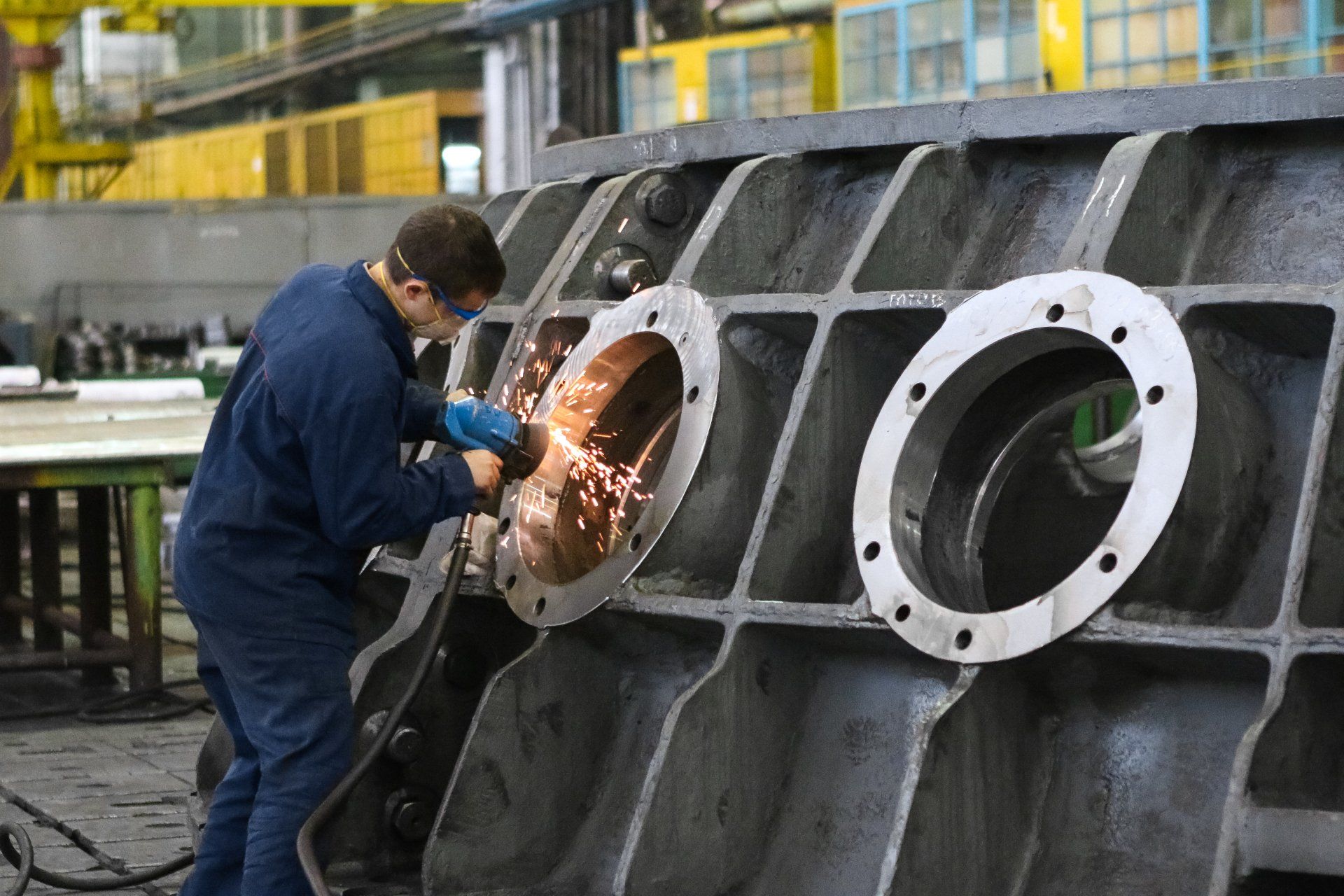
Burnout can impact all aspects of your manufacturing team. From the people on the shop floor to those working in the human resources department, everyone can face burnout when it comes to their jobs. High turnover rates, the constant pressure to fill specialized technical roles, and the sheer volume of entry-level applications can create major stress for a manufacturing HR department. But there are ways to create a hiring process that works with your production needs without burning out your staff. Consider these ways you can prevent your HR staff from burning out while still getting the job done. Don’t Wait Until Someone Leaves to Start Looking for New Workers HR teams feel the burn when they’re forced to panic hire. When a vacancy suddenly occurs, HR must push to fill it right away to avoid halts in production. This can be stressful and can lead to hiring people who are really not qualified for the job. Instead, work on having a pool of available talent whom you can go to when a vacancy opens. While they may not be available, you may be able to find someone who is extremely qualified and has already shown interest in the company. This releases the stress and is a more efficient way of hiring. Streamline the First Round of Screening Instead of manually going through all resumes to see if they meet the basic requirements, use “knock-out” questions to eliminate those that don’t meet the basic requirements. This can include things like shift availability and having certain certifications. If an applicant does not possess these things, then you can weed them out right away. This allows HR to only spend time screening candidates who are eligible for the job. More Efficient Interviewing Process Implement a more efficient interviewing process. Every hiring manager may have a different process that inevitably slows things down. Establish one process that everyone agrees on. This can include a structured scorecard to rate candidates based on their interview answers. Rather than send emails back and forth to candidates, use a self-service booking link that allows the candidates to see available slots and sign up for them. Instead of having to track down different managers for their thoughts on a candidate, use digital notes in a file so everyone can have access to the different opinions and reach a decision quicker. Focus on Finding the Right Fit for the Work Culture While skills are undoubtedly an important part of finding the right employees, you don’t want to forget about screening to find someone who fits the job culture. Look for the right attitude and reliability. This can help to avoid high turnover rates. Some people may have the right skills, but may struggle in the work culture, resulting in them leaving even before they really get started. This puts you right back at square one. Work with a Recruiting Firm When you work with a recruiting firm, they will do all of the legwork and only leave you with the best candidates. They’ve checked skills and basic requirements and know who the right fit will be. They will give you these applicants to interview and choose from. Recruiting firms use the most efficient practices to help streamline the hiring process. They can sift through resumes and vet candidates, so your HR team doesn’t get burned out. At Summit Careers, we utilize only the best hiring practices so that our manufacturing clients have a pool of qualified candidates. We are here to get the job done for you so that your HR team is energized to find their next employee. Reach out to us today to learn more!

If you own a manufacturing company and hiring has been anything but successful lately, you’re not alone. Many manufacturing companies are hitting major roadblocks when it comes to finding qualified candidates. While each story may be different, many share the same underlying problems. What’s behind these troubling trends, and what can employers do to reverse them? The Summit Careers team is digging deep to find you answers and help you find the qualified candidates that are in demand right now. Why Manufacturing Hiring is Broken There are several reasons why manufacturing hiring just isn’t what it used to be. Do any of these sound familiar? Skills Gap While candidates may have traditional manufacturing skills, they may not have the digital skills that many manufacturing jobs now require. Many experienced technicians also need to know how to troubleshoot software issues. Fierce Competition The competition is fierce for manufacturing candidates. Many companies are competing with tech facilities for the same workers. Tech giants can offer higher wages and more benefits that are pulling workers away from the traditional manufacturing sector. Changing Demographics Manufacturing jobs were popular with the now aging workforce. As these workers retire, there are fewer people who are fighting to take their place. Statistics show that while nearly 4 million manufacturing jobs are expected to open up by 2033, half of those roles will go unfilled. Just 14% of Gen Z say they would consider industrial work as a career. Workplace Stereotypes Many job seekers may have outdated beliefs about what manufacturing really looks like. While they may assume it entails dark, unmodern factories, they may be unaware that modern manufacturing is clean and efficient. Economic Uncertainty Some companies may not be able to hire the workers they need due to economic uncertainty. This can result in overworked employees and a decrease in production. Ways to Reverse The Trend While this trend in manufacturing hiring is disturbing, there are things that employers can do to improve the situation and help themselves. Offer Better Compensation Manufacturing companies can offer better wages and benefits to compete with tech companies that may have more on the table. If the offer is right, a candidate may choose to work for a smaller company rather than a tech giant. Look to Build Skills Explore internal training that helps employees with both technical and digital skills. This will allow employees to gain the knowledge they need to excel in both areas. Offer Flexible Work Schedules Since those in the manufacturing field can’t work remotely, employers can offer flexible schedules, such as 4-day work weeks. This can help to attract more candidates. Find Ways to Collaborate Work with educational institutions and staffing agencies to find trained workers who have the desired skills and are ready to work. Use Social Media for Authentic Storytelling Reverse the stereotypes that some manufacturing facilities may have by providing authentic storytelling. Use platforms like TikTok and Instagram to provide a behind-the-scenes look at a real manufacturing facility and the people who work there. Provide Referral Incentives Provide incentives for employees if they bring on a candidate who gets hired and stays on the job for a set time. This can help to attract qualified workers and retain the ones you have. Partner with Summit Careers to Find Qualified Candidates If you’re a manufacturing company looking to find qualified candidates, Summit Careers is here to help. We have a growing database of candidates who are looking for jobs just like yours. Contact us today to learn more about our manufacturing staffing program and how you can benefit.

We’ve all been there before: the middle of the night job search scrolling, the relentless application process that ends in ghosting. Many people find job searching a full-time job in itself. Unfortunately, when you’re doing it alone, it can be unrewarding, leaving you unemployed. When you work with Summit Careers, we do the legwork for you. We take the time to find the best job matches, so you don’t have to. Our team is dedicated to getting you on your career path. What do we do and who do we work with? Let’s take a look. How Much Time are You Spending Looking for a Job? First, it’s important to understand just how much time your job search is taking from you. While everyone is different, the tasks are the same. Do these tasks sound familiar? Skimming Through Job Boards Experts find that many people spend more than 3 hours a week just skimming through job boards. This involves reading posts that are irrelevant, otherwise known as, wasting time. Tailoring Resumes and Cover Letters If you’re lucky enough to find a job or two that suits you, you have to tailor your resume and cover letter. This can take another 5 hours or so, depending on the amount of work you have to do and how many jobs you may be applying to. Networking We all know that networking is another excellent resource in the job search, but this takes time. This can be a couple of hours a week as you make calls, write emails and reach out to people in your industry. Interviews When you do get an interest in your resume, it’s time to interview. Whether you’re doing this online or in person, this is also a time-consuming task that can yield zero results. In total, you can expect to spend at least 15 hours a week searching for a job. Yikes! But when you work with an agency like Summit Careers, you can reclaim that time and use it for other tasks. How Working with Summit Careers Saves You Time Here’s how working with Summit Careers makes the job search process easier for you: We Find the Jobs for You We work with companies that have shared their job postings with us because they know we have a pool of qualified candidates. They don’t have to waste their time posting anywhere else because they trust us to find their new hires. We Handle the Correspondence No more stalking your inbox. Our team handles the communications, so you don’t have to worry. We Schedule Interviews Once a match is made, we work to schedule a convenient interview time. Our team has made connections with hiring managers. We have built relationships that help our clients. We handle the logistics so you can concentrate on putting your best foot forward during the interview. Industries We Work With Job seekers enjoy working with Summit Careers because we partner with a wide variety of industries : Manufacturing (machine operation, assembly, quality control, etc.) Distribution (box truck drivers, CDL) Professional Trades (electrician, plumbing, auto mechanic, sheet metal work, welding) Precision Manufacturing (CNC plastics & metals, engineering, deburring, quality control, grinding) Warehousing (shipping & receiving, packers, powered machine operators, inventory control) Administrative (human resources, accounting, payroll, controller) Medical/Dental (non-clinical, nurses, medical/dental assistants, CNAs, nurse practitioners, physician assistants) Schools/Universities (teachers, professors, paraprofessionals, administrators, maintenance, cafeteria workers, chefs, prep cooks) If you’re looking for jobs in any of these fields, it’s time to partner with Summit Careers! Connect with Summit Careers in Your Job Search Summit Careers is here to help you find your next employer! Whether you’re looking for permanent or seasonal work, we can help. Now is the time to apply for seasonal positions, so don’t miss out on your next opportunity. Let us know the type of job you’re looking for and we can connect you with the right companies. Reach out to us today and submit your resume so one of our recruitment consultants can get to work for you!

The Summit Careers team is working diligently to help individuals in the Hartford, CT area find their next career opportunity. There are companies in various industries that are currently seeking individuals with your skills. According to the Connecticut Business and Industry Association, 76% of employers say that finding and retaining workers is challenging. This is one of the reasons why the push is on to find qualified candidates. That’s where we come in. At Summit Careers, one of our many focuses is on Hartford hiring and helping various companies find the qualified employees they need to make their businesses thrive. Summit Careers Is Here to Help with Hartford Hiring Currently, there is a need for qualified candidates in academics, professional trades, higher skill development positions, and much more, in the Hartford, CT region. According to the Connecticut Department of Labor, there are several sectors that are fueling the need for skilled talent: Manufacturing There is a strong need for workers in aerospace and precision engineering. Finding skilled labor in these areas can be difficult for companies. If you have these skills, you hold an advantage over others who may be looking at these types of jobs. Skilled Trades There is also a strong need to find skilled workers in many different trades, especially in the construction industry. Life Sciences The Hartford, CT area has a high demand for lab technicians and technical staff, as well as research and development specialists. These types of specialized skills are extremely important in today’s job market. Academics Many school districts have numerous openings for staff, both in and out of the classroom. At Summit Careers, we help many school systems find the staff they need for teaching and other positions. Tips for Job Seekers in the Hartford, CT Area If you're looking for a job in the Hartford area, here are some tips to help you along the way: Highlight In-Demand Skills Employers are seeking candidates with skills in data analysis, cybersecurity, engineering, and various medical fields. Tailor your resume and cover letter to showcase your proficiency in these areas. Look at Early Career Programs Consider early career programs that can sometimes lead to a full-time role. Target Growth Industries Explore companies that are constantly growing and see how your skills may match their needs. Be sure to highlight these skills in any job search. Partner with Summit Careers for Your Hartford, CT Area Job Search One of the best things you can do to enhance your job search in the Hartford, CT area is to partner with Summit Careers. We work with many growth industries to help them find their next star employees. Our team searches our expansive applicant database to help find the best matches. It’s a win-win for everyone: the companies that need to find workers, and the job seekers who are looking for their next big move. To get started, submit your resume so we can get to work for you and find your next career move.
As we look ahead to fall, many companies will be busy trying to fill vacancies. While the job market is constantly shifting, there are a few areas that are expected to stand out, leaving companies scrambling to find qualified workers. If you want to get ahead, it’s important to be aware of which positions are expected to be most competitive so you can adopt smarter hiring strategies. The 5 Most In-Demand Roles This Fall Healthcare Professionals The demand for nurse practitioners, physician assistants, and health service managers continues to soar. An aging population and an increased need for quality care are the driving forces. These roles are expected to be in clinics, hospitals, and long-term care facilities to maintain high standards of patient care. Machine Learning Specialists Businesses are expected to be looking for professionals who can implement AI-powered solutions. These specialists are needed to develop and integrate everything from automated customer service chatbots to complex data analysis models. Cybersecurity Specialists As businesses become more reliant on digital infrastructure, the risk of cyber threats grows. Cybersecurity specialists, including information security analysts and engineers, are in high demand to protect sensitive data, prevent breaches, and ensure the integrity of a company's systems. Data Scientists and Analysts Companies need experts who can make sense of all the data being generated these days. Data scientists and analysts are vital for extracting meaningful insights from complex datasets to inform business decisions, optimize operations, and predict market trends. Skilled Trades and Green Economy Workers There's a persistent demand for skilled tradespeople, and a new wave of growth is being driven by the green economy. Roles like solar installers and wind turbine service technicians are experiencing rapid growth as companies and governments invest in renewable energy projects. How to Work Smarter, Not Harder, When it Comes to Hiring The traditional hiring process won't cut it when competing for top talent. You need a strategy that's both efficient and appealing to modern job seekers. Prioritize Skills Over Degrees Focus on critical skills over degree requirements. A skills-based approach widens your talent pool and allows you to find qualified individuals who may have gained experience through alternative paths, such as bootcamps, online courses, or on-the-job training. Embrace Flexibility and Employee Wellness Work balance is more important than ever. To attract and retain top talent, consider offering flexible work arrangements like remote or hybrid options. Highlighting robust health and wellness benefits, including mental health support, can also make you stand out in a competitive market. Build a Strong Talent Pipeline Proactively build relationships with passive candidates through networking and employee referral programs rather than waiting for a position to open. A robust talent pipeline ensures you're never scrambling for a hire, as you'll already have a pool of qualified individuals to draw from. A strong employer brand that showcases your company's culture and values on social media and career pages is also crucial for attracting long-term interest. Highlight Technology and Data Use technology to streamline your recruitment process. AI-powered tools can help automate tasks such as resume screening and interview scheduling. This gives your HR team more time to focus on meaningful interactions with candidates. You’ll also want to use recruitment analytics to identify trends and measure the effectiveness of your hiring sources. Do You Need Help Filling Roles this Fall? Contact Summit Careers If you need help filling vacancies this fall, Summit Careers is here to help. We have a growing database of candidates who are looking for jobs just like yours. You can count on us to use the most efficient practices to fill vacancies quickly. Contact us today to learn more.

When you think about what contributes to a student’s success, it extends well beyond the classroom. Besides faculty members who work with students inside the classroom, many other staff members are needed for a student to be successful and well-rounded. This is why filling these positions is so vital. When these positions remain vacant for too long, the daily workflow can get disrupted, impeding a student’s success. At Summit Careers, our team is committed to filling vacant ancillary staff positions as soon as possible so that schools and universities can continue working at their fullest potential. Let’s take a closer look at how ancillary hiring truly drives student success. Contributing to Student Success: The Benefits of Filling Ancillary Vacancies Supportive Learning Environment When ancillary vacancies are filled, students can receive the supportive learning environment that they deserve. Ancillary staff, such as counselors, mentors, tutors, and others, can allow students to receive help that may not be available inside the classroom. Without the hard work of these individuals, students may lack the guidance they need to succeed. Reduce Teacher Workload It takes a village to teach a child. Much of that village can come from the help of ancillary staff members who can take some of the workload off of teachers. By doing so, teachers can focus more on teaching each child and giving them the attention they deserve. Improved Student Well-Being When we think of school staff, we may automatically think about teachers and teaching aides. But, staff members such as school nurses and guidance counselors can ensure that a student’s health and well-being are taken care of. When a student is not healthy physically or mentally, they will not be able to reach their fullest potential. But when a student is feeling well physically and in a good emotional and mental state, they have the energy and tools they need to reach for the stars. Besides nurses and guidance counselors, janitors and school cleaning staff are also vital to a student’s success because they help to maintain a sanitary learning environment. If a student is surrounded by a dirty learning environment, they are at a greater risk of becoming ill. Sickness results in lost classroom time that can negatively impact a student’s success. Technical Support We all know how much everyone relies on technology these days, especially in schools. Many lessons are available online only, and assignments are completed online. When something goes wrong on the technical side, it can impact learning. By hiring the right technical support staff, you can feel confident that you have the right people in place to spring into action when a technical problem arises. Technical support can help to fix problems before they become catastrophes that can severely impact daily operations. Social Development Social development can also contribute to a student’s success. Being involved in school clubs and activities allows students to meet others and expand their social circles. Staff who work to plan activities and coach sports play an important part in a student’s life. These staff members help students to foster their social skills, which allows them to become well-rounded individuals. Bridge Communication Gaps Communication is key when it comes to a student’s learning path. Support staff can serve as liaisons between teachers, administrators, and students. By fostering greater communication, these support staff members can contribute to a student’s success. Let Summit Careers Fill Your Ancillary Staff Vacancies Now If you have vacancies for ancillary staff members, Summit Careers is here to help. We have a growing database of candidates who are looking for jobs just like yours. We use the most efficient practices so that we can fill vacancies quickly. Contact us today and learn how we can work together to fill your vacancies and help students succeed.